
Inside McNeil Island: Where WA Sends Violent Sex Offenders Indefinitely
Up Next
8 videos
How has the shift from cash purchases to payment plans affected the ticket market?
April 18th, 2025

Will Tariffs on Auto Parts Effect Car Prices?
April 1st, 2025

Why Are Illinois Statehouse Staffers Suing the Illinois House Speaker?
August 2nd, 2024

Gov. Pritzker: "The Trump Administration Goes on Fox News Lying About Being Fiscally Responsible"
June 16th, 2025
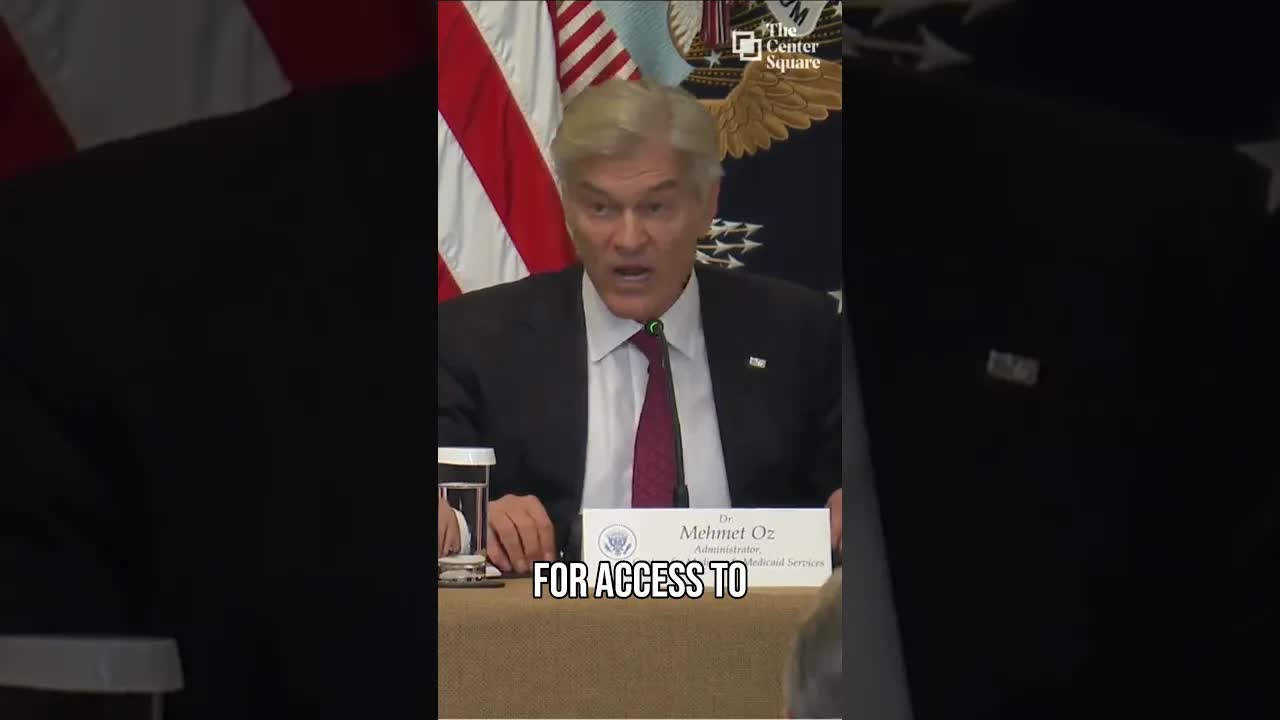
Administrator Oz: "Tired of Waiting for Washington to Take Action"
July 30th, 2025

Washington AG Brown ignored two bar letters
October 26th, 2025

Trump administration pushes back on Democratic calls to defund federal law enforcement
January 9th, 2026

Hakeem Jeffries Rejects Claims Of Election Fraud In California
June 14th, 2026
What happens after a convicted sex offender finishes their prison sentence in Washington State? In some cases, they are sent to McNeil Island, a secure facility where individuals deemed sexually violent predators are civilly committed—sometimes for decades or even the rest of their lives. Courts determine whether an individual remains a danger to society, and if so, they are placed in this isolated facility rather than released back into the public. Often described as a form of “civil confinement,” McNeil Island plays a central role in Washington’s approach to managing high-risk offenders—but it’s also at the center of a growing debate over public safety and future releases. 👉 Topics covered: What is McNeil Island in Washington? Civil commitment of sex offenders explained What qualifies as a sexually violent predator How long offenders can be held Public safety and legal considerations ⚖️ As the state explores moving some offenders into communities, understanding McNeil Island is key to the broader debate. 🔔 Subscribe for more updates on Washington State public safety, policy, and legal issues