
Inside McNeil Island: Where WA Sends Violent Sex Offenders Indefinitely
Up Next
8 videos
Why is the federal government suing Illinois over the Workplace Privacy Act?
May 5th, 2025

How Does Policy Uncertainty Impact Businesses?
March 13th, 2025

How Are Trump’s Executive Orders Influencing the Spokane City Council’s Decision on Local Issues?
February 13th, 2025
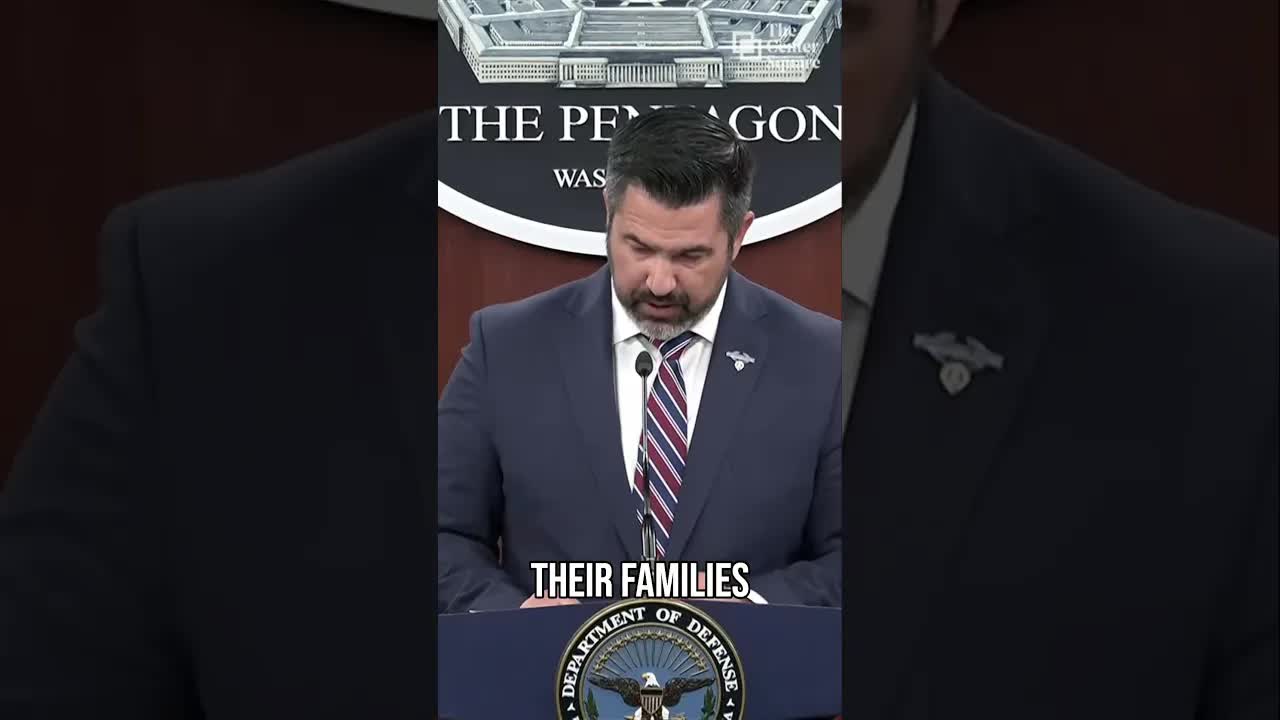
Spokesperson Parnell: “Let Us Never Forget That the Freedom We Enjoy in America Is Never Free”
July 3rd, 2025

How Do D.C. Residents Feel About the City’s Crime?
August 18th, 2025

California Colleges on Free Speech: Unwillingness to Face Controversial Ideas
September 23rd, 2025

How Income Tax Impacts Professional Sports
March 19th, 2026

Could Income Tax Revenue Be Matched By Constructing More Homes?
March 22nd, 2026
What happens after a convicted sex offender finishes their prison sentence in Washington State? In some cases, they are sent to McNeil Island, a secure facility where individuals deemed sexually violent predators are civilly committed—sometimes for decades or even the rest of their lives. Courts determine whether an individual remains a danger to society, and if so, they are placed in this isolated facility rather than released back into the public. Often described as a form of “civil confinement,” McNeil Island plays a central role in Washington’s approach to managing high-risk offenders—but it’s also at the center of a growing debate over public safety and future releases. 👉 Topics covered: What is McNeil Island in Washington? Civil commitment of sex offenders explained What qualifies as a sexually violent predator How long offenders can be held Public safety and legal considerations ⚖️ As the state explores moving some offenders into communities, understanding McNeil Island is key to the broader debate. 🔔 Subscribe for more updates on Washington State public safety, policy, and legal issues