
“Only for the Rich”? How Income Tax Expanded Since 1913
Up Next
8 videos
President's heartfelt message to the Muslim community
March 28th, 2025

Are President Trump’s Executive Orders Reshaping America?
February 21st, 2025

President Trump: "Greatest Scam in History"
July 15th, 2025

Prime Minister Carney: "we are the largest foreign investor in the United States”
October 7th, 2025

Chinese President Xi: ‘Encouraging progress’ in trade talks
October 30th, 2025

Economist: Could a shock send the U.S. economy into recession?
October 31st, 2025
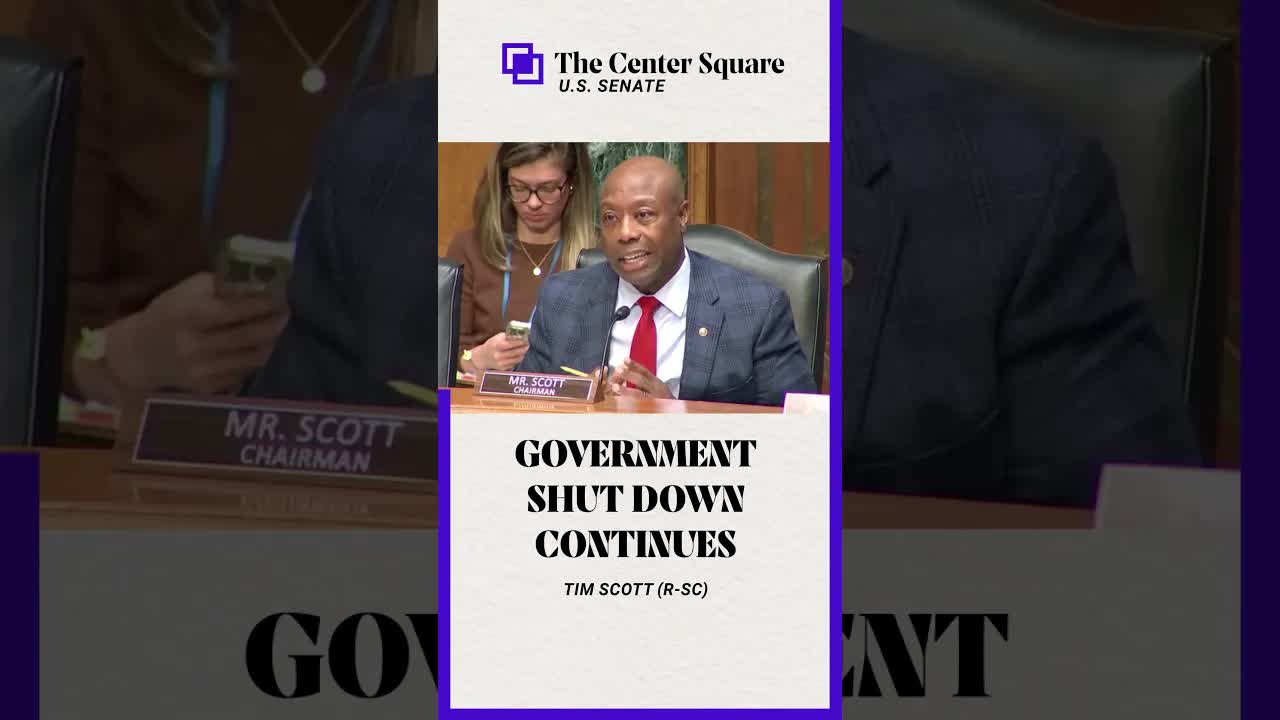
Sen. Tim Scott: Blame for federal shutdown falls on Democrats — not Trump
October 31st, 2025

Home Invasion Survivor Voices Opposition To Gun Control Bill
March 5th, 2026
Was income tax always meant to apply to everyone? In this segment, we look back at the origins of the U.S. federal income tax following the 16th Amendment in 1913 — and the early promise that it would only impact a small percentage of high earners. At the time, lawmakers introduced what was described as a “millionaire’s tax,” expected to affect just 2% of the population. Fast forward to today, and income tax has become a central part of the U.S. tax system. In this video, we break down: The origins of the federal income tax (1913) How early tax policy was framed to the public How income tax expanded over time Why this history is relevant to today’s tax debates What it could mean for current and future tax policy 📊 Key questions: How did income tax evolve from a limited tax to a broad one? Could modern tax proposals follow a similar path? What lessons can be learned from tax history? With ongoing debates around new taxes and economic policy, understanding the history of income tax is more relevant than ever. 🔔 Subscribe for more breakdowns on taxes, policy, and economic impact. #IncomeTax #TaxDay #USHistory #Taxes #Economy #PublicPolicy #Finance #BreakingNews #TaxPolicy #DidYouKnow