
Gas Prices Could Rise as Oil Jumps Following Middle East Escalation
Up Next
8 videos
Illinois Republican "Throw This Pile of Crap in the Garbage"
March 18th, 2025

Washington State Bill Passed Out of Senate Committee.
February 22nd, 2025

Is 7 Million Job Openings Normal for the US Economy?
December 5th, 2024

What National Efforts Are There to Require Proof of Citizenship to Vote?
August 27th, 2024

Press Sec. Leavitt: “This Is Deeply Un-American and Morally Reprehensible”
June 11th, 2025
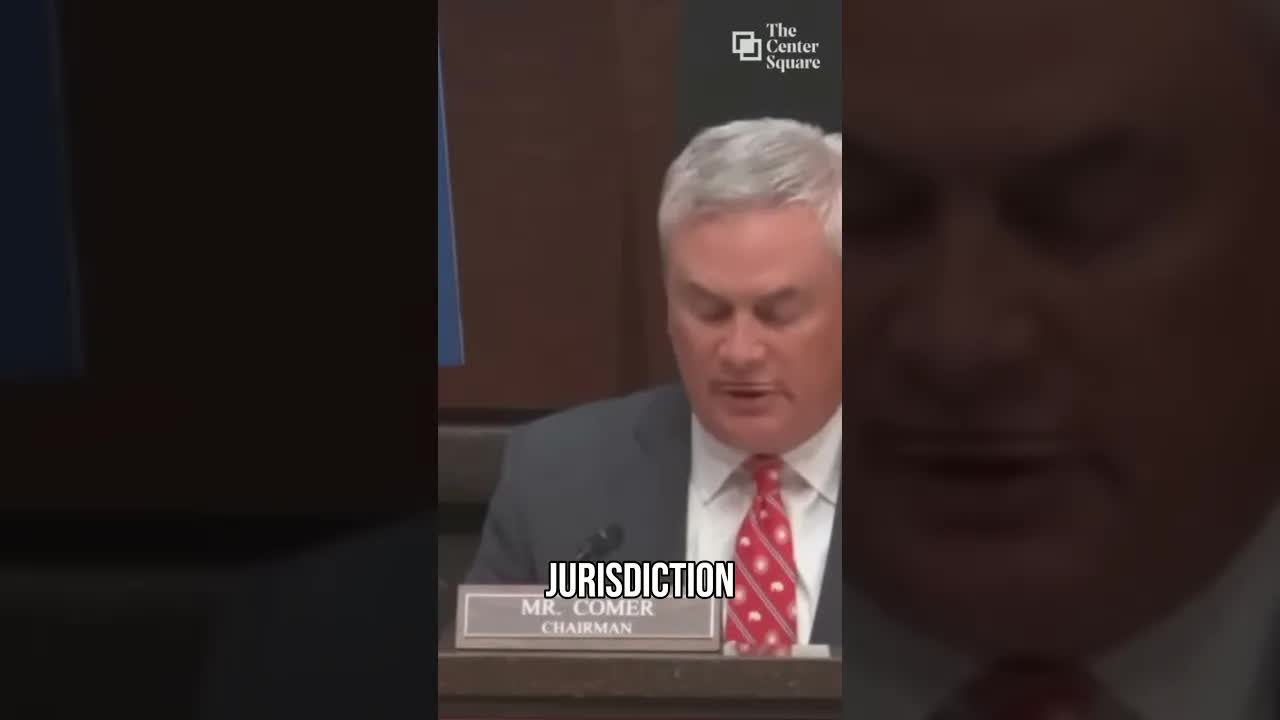
Representative James Comer starting out the hearing.
June 14th, 2025

President Trump says peace deal 'just started coming together'
October 13th, 2025

Montana Governor Wants More Washington Businesses
June 8th, 2026
Oil prices climbed sharply after renewed tensions involving Iran raised concerns about global energy supplies and the security of shipping through the Strait of Hormuz, one of the world's most important oil transit routes. U.S. crude rose above $75 per barrel, while the national average price for regular gasoline also moved higher. Although gas prices remain below recent monthly highs, increased oil prices could place renewed pressure on consumers, businesses, and transportation costs if the conflict continues. Following military operations targeting dozens of sites in Iran and reports of attacks involving commercial vessels near the Strait of Hormuz, energy markets reacted to growing uncertainty over future oil supplies. Higher crude oil prices often translate into increased fuel costs, affecting household budgets, inflation, and the broader U.S. economy. #GasPrices #OilPrices #Iran #Economy #Inflation #Energy #Trump #MiddleEast #BreakingNews #Taxpayer #CrudeOil #StraitOfHormuz #FuelPrices #Politics #News