
Vice President JD Vance Highlights Partisan Divide Over Tax Policy
Up Next
8 videos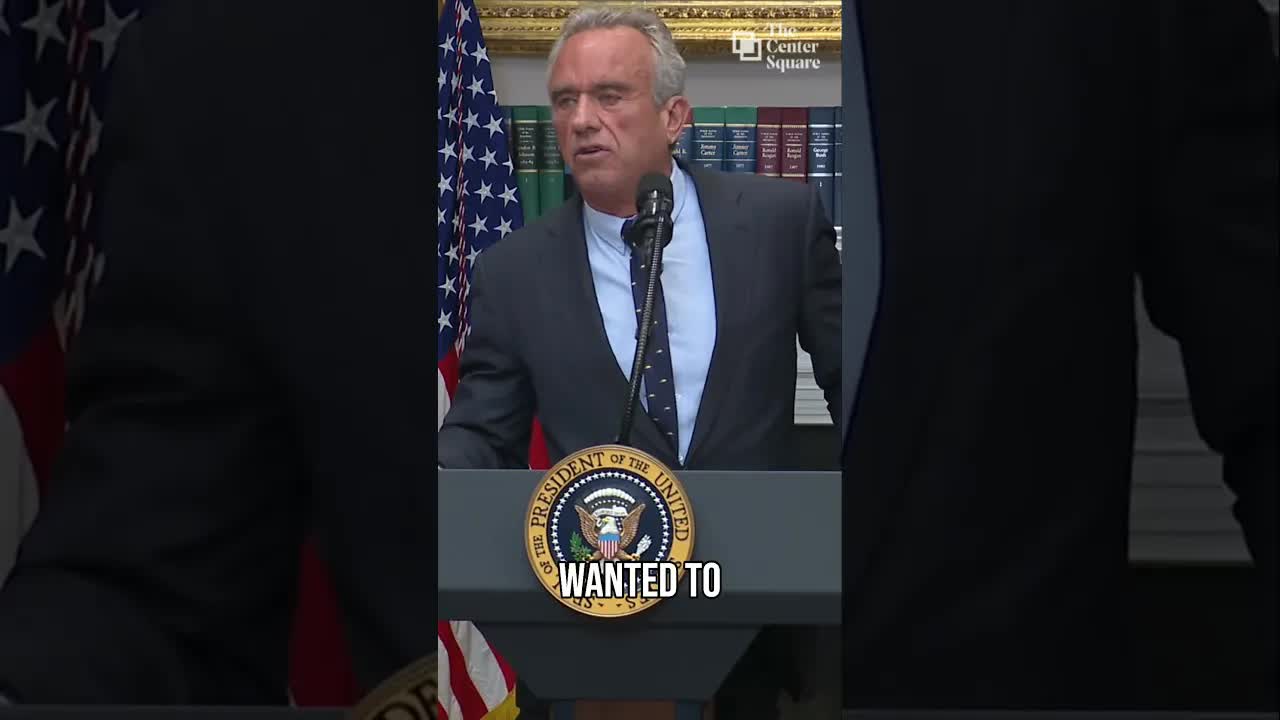
RFK Jr: "There’s at Least One Pharmaceutical Lobbyist for E- Every Congressman Every Senator”
May 12th, 2025
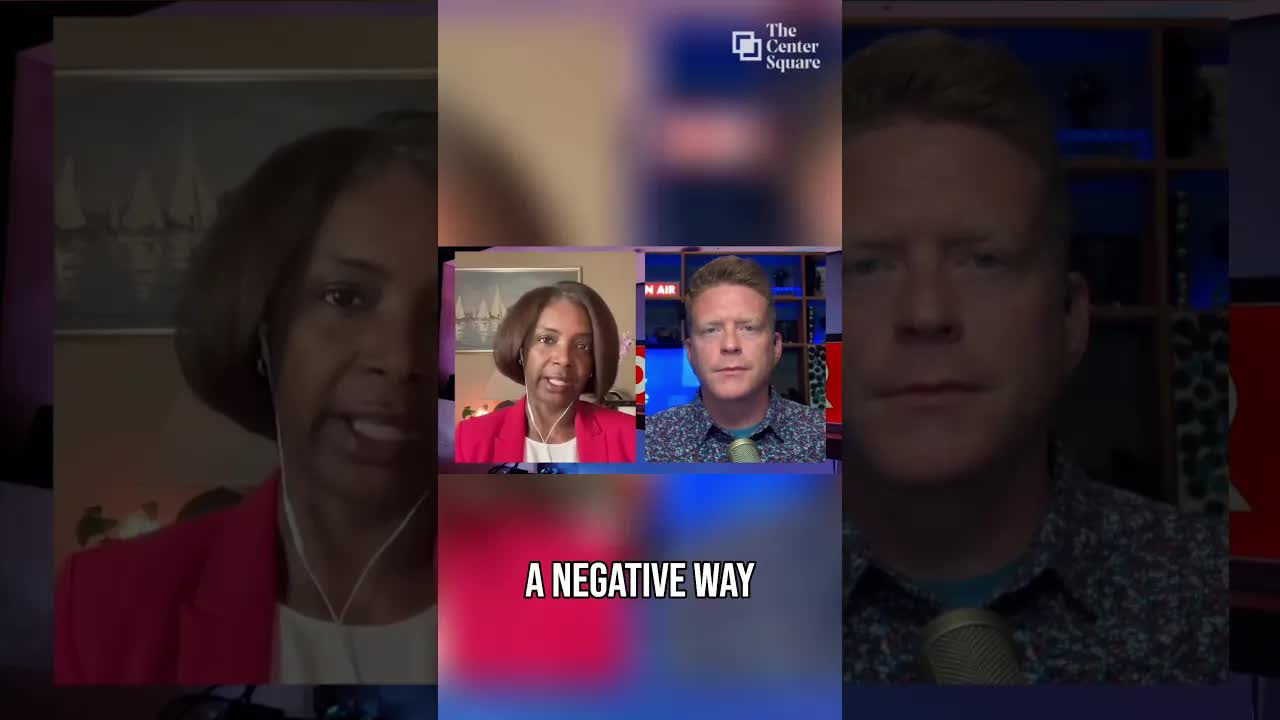
Dr. Pamela Denise Long: “To Become the Type of Representative That I’ve Been Asking Others to Be.”
June 9th, 2025
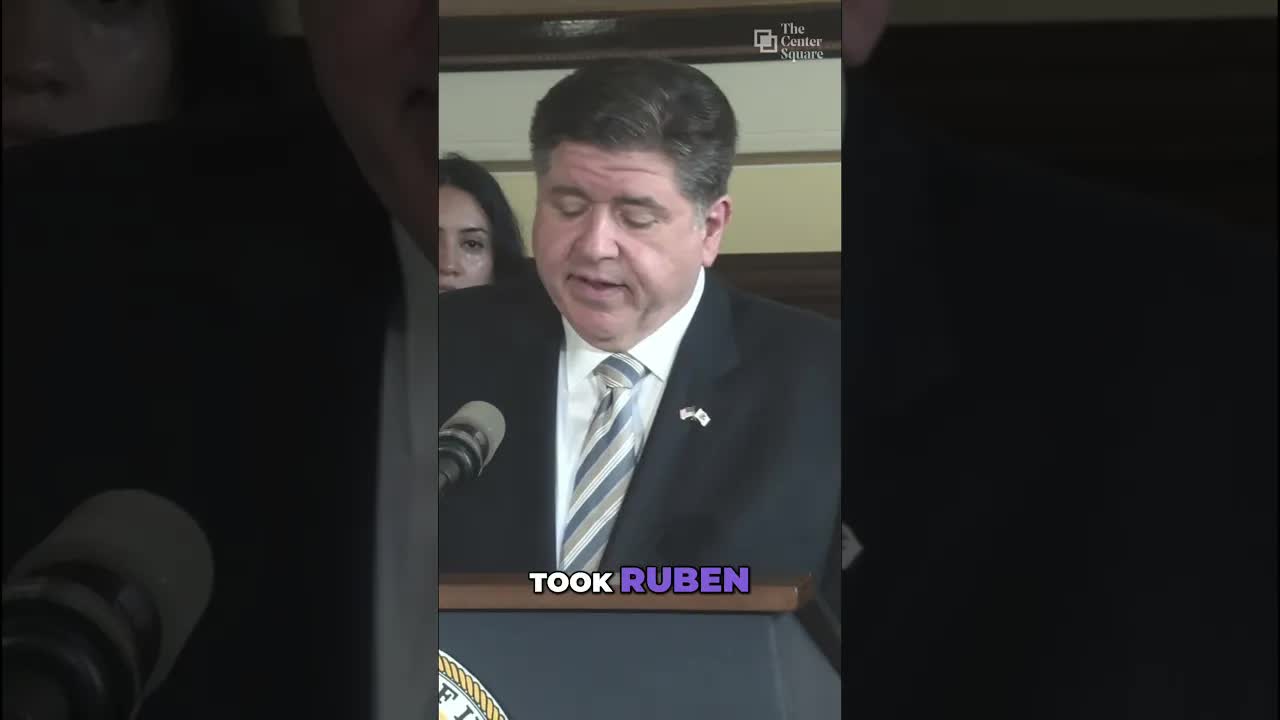
Gov. Pritzker criticizes 'illegal' ICE arrests in Chicago
October 30th, 2025
Trump reacts to reports of Chicago unrest
November 24th, 2025
RFK Jr. claims HRT risks were overstated, cites menopause health benefits
December 3rd, 2025
Supreme Court Case May Change Washington's Election Laws
March 29th, 2026
Can The Trump Administration Legally Stop Washington's Housing Program?
March 30th, 2026
Rubio Discusses Diplomacy and Ongoing Iran Nuclear Negotiations
May 28th, 2026
Vice President JD Vance is continuing to promote the administration’s economic agenda by highlighting Republican-backed tax cuts and manufacturing investments while criticizing congressional Democrats for opposing key economic legislation. Speaking at an event focused on working-class economic issues, Vance argued Republican policies were designed to: Increase take-home pay Support manufacturing jobs Expand investment in American workers Strengthen domestic industry The comments reflect broader administration messaging surrounding: Tax policy Manufacturing Working-class economics Domestic investment Political divisions over economic priorities 💰 TOP STORY: VANCE DEFENDS TAX CUTS AND MANUFACTURING INVESTMENT Vance referenced: ➡️ Working families tax cuts authored by Congressman Jason Smith ➡️ Manufacturing investment initiatives ➡️ Efforts to increase household income According to Vance: Nearly all congressional Democrats voted against the legislation Republican policies focused on putting “more money” into workers’ pockets Manufacturing reinvestment remains central to the administration’s economic agenda The remarks continue the administration’s emphasis on: Economic nationalism Domestic manufacturing growth Working-class voter outreach 🏭 MANUFACTURING REMAINS CENTRAL POLITICAL ISSUE The administration has increasingly framed economic policy around: Expanding American manufacturing Rebuilding industrial capacity Reducing foreign dependence Supporting blue-collar jobs Supporters argue: Domestic investment strengthens economic security Manufacturing growth benefits local communities Tax relief helps offset inflation and rising costs Critics argue: Tax cuts can increase federal deficits Broader economic challenges remain unresolved Manufacturing growth depends on long-term global market conditions ⚖️ PARTISAN ECONOMIC DEBATE CONTINUES The comments highlight continuing divisions between Republicans and Democrats involving: Tax policy Federal spending Industrial policy Economic priorities Republicans have increasingly emphasized: Worker-focused tax relief Factory and infrastructure investment Economic competition with China Democrats argue: Their policies focus on middle-class affordability and social investment Tax policy should prioritize broader economic equity Manufacturing investment requires bipartisan long-term planning 📊 WHY THIS MATTERS This impacts: Taxes Manufacturing jobs Household income Federal economic policy 2026 political messaging Economic issues remain among the most influential topics heading into upcoming national elections. 📅 WHAT’S NEXT Continued debate over tax and spending policy Ongoing focus on manufacturing and trade Additional economic proposals expected from both parties Working-class economic messaging likely to intensify before 2026 🔔 Subscribe for continuing coverage of national politics, taxes, manufacturing, and economic policy. #JDVance #Politics #Taxes #Economy #Manufacturing #WorkingClass #BreakingNews #AmericaFirst #USNews #Jobs